
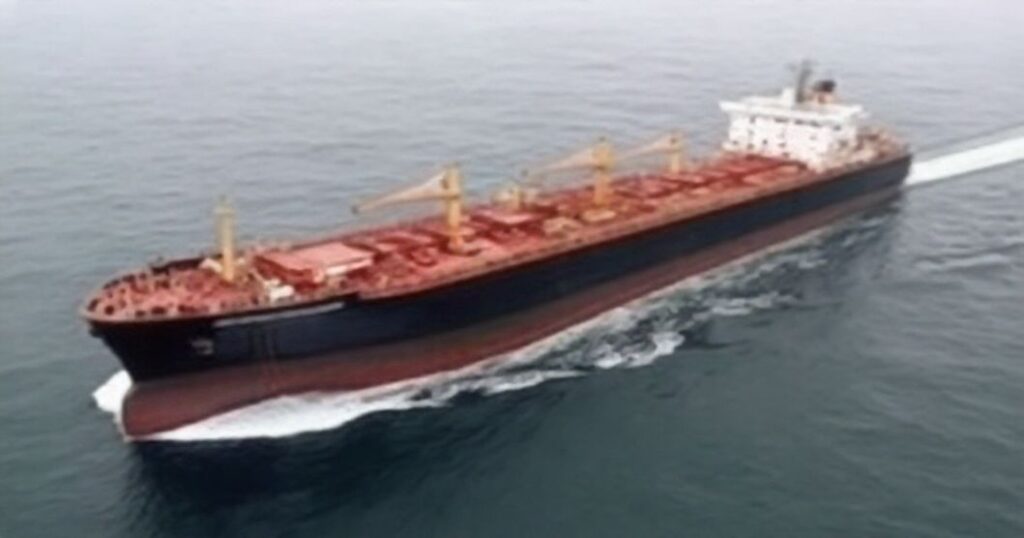
The Strategic Context of the Maritime Blockade
The maritime landscape surrounding South America has become a primary focal point of international tension as the United States government confirms the seizure of a second oil tanker off the coast of Venezuela. This decisive action follows a direct executive order from President Donald Trump, which effectively mandates a naval blockade of sanctioned vessels entering or departing Venezuelan waters. The move signals a robust shift in U.S. foreign policy, transitioning from purely financial sanctions to direct physical interdiction of energy assets in international waters. This escalation is designed to further isolate the Maduro administration by cutting off its primary source of hard currency: crude oil exports.
The enforcement of these measures is part of a broader, multi-faceted strategy intended to pressure the Venezuelan government into a political transition. By targeting the shipping industry, the U.S. Department of Justice and the Treasury aim to sever the financial lifelines that sustain the current administration in Caracas. This second seizure underscores a heightened level of commitment by U.S. authorities to monitor and intercept cargo that violates the existing sanctions regime, sending a clear message to the global shipping community that the risks of engaging with the Venezuelan energy sector have reached a critical threshold.
Operational Details and Legal Justification
According to official reports from federal authorities, the vessel was intercepted after being identified as part of a network used to bypass U.S. sanctions. The legal framework supporting such seizures often relies on the International Emergency Economic Powers Act (IEEPA) and the Global Magnitsky Act, which allow the executive branch to regulate commerce and seize assets in response to perceived threats to national security and foreign policy interests. Legal experts suggest that the seizure of a second vessel within such a short timeframe indicates a more aggressive posture by the U.S. Coast Guard and naval assets stationed in the Caribbean.
Economic Repercussions for the Global Oil Market
The global energy sector is monitoring these developments with increasing concern. Venezuela, which possesses the world’s largest proven oil reserves, has seen its production levels plummet over the last decade due to domestic mismanagement, infrastructure decay, and external pressure. The removal of additional tankers from the global supply chain creates immediate volatility in oil pricing and disrupts long-standing logistical routes. While the volume of oil on these specific tankers may not be enough to shift global benchmarks like Brent or WTI significantly, the precedent of a maritime blockade adds a significant risk premium to shipping operations in the region.
Shipping Industry Risks and Compliance
For the maritime and logistics industries, these seizures represent a significant operational and financial risk. Shipping companies, insurers, and vessel owners must now exercise unprecedented levels of due diligence to ensure that their assets do not inadvertently interact with sanctioned entities. The cost of maritime insurance for tankers operating in the Caribbean and South Atlantic is expected to rise as a direct result of these heightened enforcement actions. Furthermore, the complexity of tracking ‘dark fleets’—vessels that turn off their transponders to avoid detection—has become a primary focus for maritime security firms and international regulators.
Geopolitical Stalemate and Future Projections
As the United States maintains its hardline stance, the international community remains deeply divided over the legitimacy and efficacy of such blockades. While some nations support the pressure campaign as a necessary tool for promoting democratic reform, others view the physical seizure of vessels as a violation of international maritime law and sovereign rights. The involvement of other global powers, such as Russia and China, who have historical ties to the Venezuelan energy sector, adds a layer of complexity to the situation. These nations have previously assisted Venezuela in navigating sanctions, and any direct confrontation between U.S. enforcement assets and vessels supported by other major powers could lead to a broader diplomatic crisis.
The seizure of the second tanker is more than an isolated maritime incident; it is a manifestation of a high-stakes geopolitical game. As the situation evolves, the impact on global trade, regional stability, and energy security will be profound. Companies operating within the global energy and logistics sectors must remain vigilant, as the enforcement of the U.S. blockade shows no signs of abating. JobHouse Global will continue to monitor the implications for the international job market, specifically within the maritime and energy sectors, as these developments reshape the landscape of global commerce.
Source: JobHouse Global News Desk