
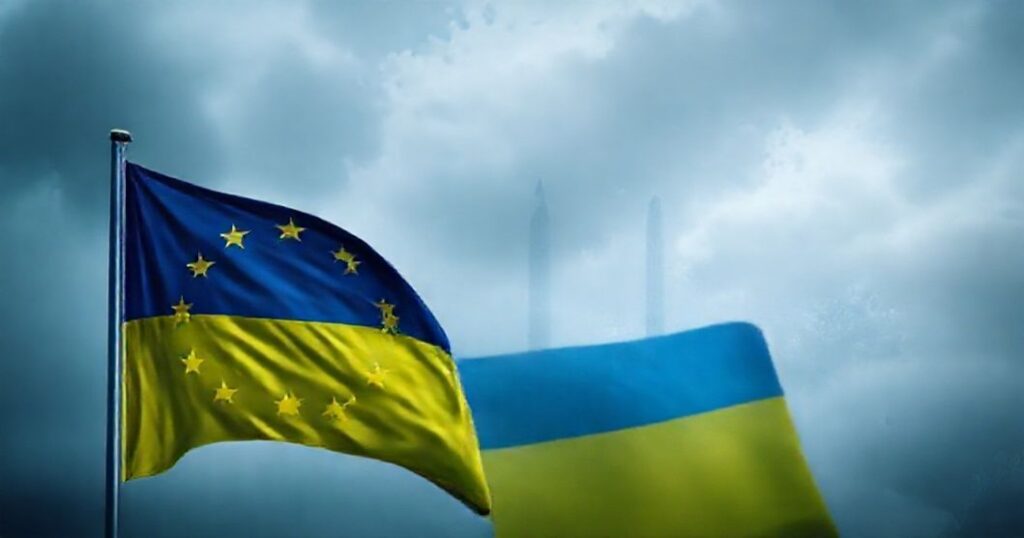
The Brussels Accord: A Financial Shield for Kyiv
In a high-stakes demonstration of geopolitical resolve, European Union leaders have reached a landmark agreement to provide Ukraine with a €90 billion financial assistance package. This substantial credit facility, designed to sustain the war-torn nation over the next two years, marks a critical turning point in the continent’s commitment to Eastern European stability. While the headline figure suggests a unified front, the deliberations in Brussels were characterized by deep-seated divisions, reflecting the complex internal politics of the 27-member bloc.
The Core Story: Securing Ukraine’s Fiscal Future
The newly approved funding is structured as a mix of highly concessional loans and direct grants, aimed at preventing a total collapse of Ukraine’s public services. As the conflict continues to drain the national treasury, these funds will cover essential expenditures, including civil servant salaries, pension payments, and the maintenance of critical infrastructure like hospitals and schools. The €90 billion package is intended to offer a predictable fiscal horizon through 2026, allowing the Ukrainian government to focus on defense and long-term recovery without the immediate threat of bankruptcy.
Navigating Internal Friction
The path to this agreement was far from smooth. The summit was described by diplomats as one of the most fraught in recent memory, with certain member states voicing concerns over the long-term impact on the EU’s own budget and economic competitiveness. Dissenting voices highlighted the domestic pressures of inflation and energy costs within Western Europe, creating a tension between international solidarity and local political survival. Ultimately, the consensus was reached through rigorous negotiation, underscoring the EU’s strategy of collective security over individual fiscal caution.
Expert Analysis: Geopolitical Stability and Economic Resilience
From a macroeconomic perspective, this €90 billion injection is more than just a loan; it is an investment in the stability of the European Single Market. Economists argue that a total economic collapse in Ukraine would trigger a refugee crisis and supply chain disruptions that would cost the EU significantly more than the current aid package. By stabilizing the Ukrainian Hryvnia and maintaining government functions, the EU is effectively creating a buffer zone against further regional volatility. However, the ‘fraught’ nature of the summit suggests that future aid packages may face even higher hurdles as ‘Ukraine fatigue’ sets in among European electorates.
Industry Impact: Infrastructure, Energy, and Tech
The allocation of these funds will have immediate repercussions across several key industries. The construction and engineering sectors are poised for growth as reconstruction efforts begin in earnest, even while the conflict persists. Furthermore, the energy sector will see significant investment as Ukraine seeks to decouple its grid from Soviet-era systems and integrate more deeply with European networks. The technology sector, particularly in cybersecurity and fintech, remains a bright spot as the Ukrainian government continues its digital transformation—a process now heavily subsidized by European capital.
Career and Job Implications for Global Professionals
For the JobHouse Global audience, this financial package signals a surge in demand for specific professional skill sets. The influx of €90 billion requires rigorous oversight, creating a wealth of opportunities for experts in international law, forensic accounting, and compliance. As the funds are disbursed, international NGOs and development agencies will be hiring project managers and logistics specialists to oversee field operations.
Opportunities in Reconstruction and Policy
Moreover, the focus on ‘building back better’ means that civil engineers, urban planners, and renewable energy consultants will find their expertise in high demand. For students and early-career professionals, specializing in Eastern European studies, international relations, or crisis management has never been more relevant. The EU’s commitment also implies a long-term integration process, which will necessitate a new generation of policy analysts and diplomats capable of navigating the complex regulatory alignment between Kyiv and Brussels.
Conclusion: A Precarious Path Forward
While the €90 billion loan provides a vital reprieve for Ukraine, the clear divisions within the EU summit serve as a reminder that political support is not infinite. For global professionals and job seekers, the message is clear: the region is undergoing a massive structural transformation. Staying informed about these geopolitical shifts is no longer optional for those looking to build a career in the international arena. As Ukraine moves toward eventual reconstruction, the professionals who understand the intersection of finance, policy, and infrastructure will be the ones to lead the way.
This report was developed based on updates from the European Council and international diplomatic sources.
Source: European Council Press Office