
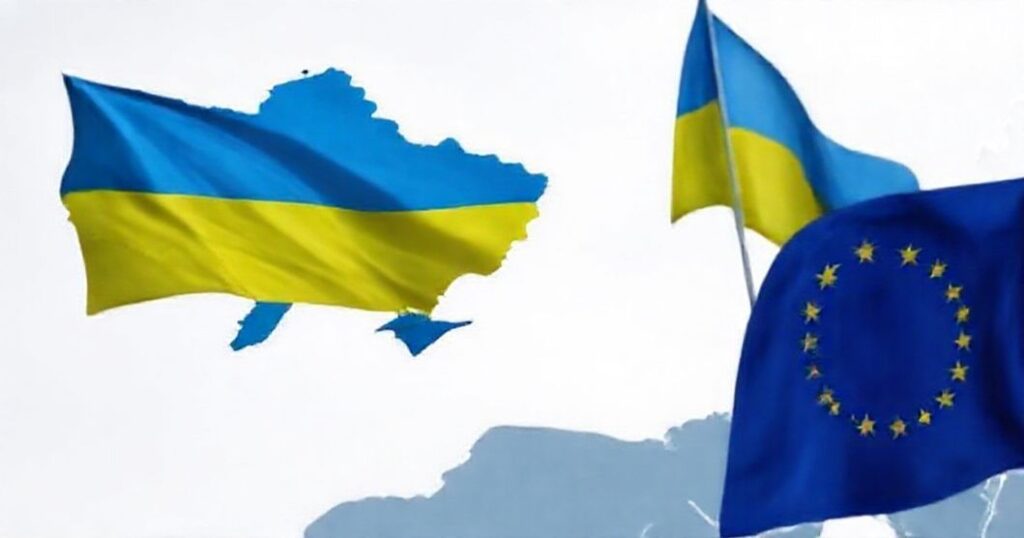
Brussels Summit Yields Critical Financial Accord
The European Union has solidified its commitment to Ukraine’s fiscal stability by approving a significant €90 billion loan package during a high-tension summit in Brussels. This financial mechanism is intended to sustain the nation’s essential services and infrastructure over the next two years, signaling a long-term strategic pivot by the bloc. While the headline figure represents a victory for advocates of sustained support, the proceedings revealed deep-seated divisions among member states regarding the duration and conditionality of such massive financial commitments.
The Core Story: A Two-Year Economic Buffer
The primary objective of the newly minted €90 billion facility is to provide a predictable and steady flow of capital to Ukraine, preventing an economic collapse that could have catastrophic consequences for the rest of Europe. The funding is structured as a series of highly concessional loans, backed by the collective credit of the EU member states. These funds are earmarked for critical state functions, including the payment of public sector salaries, the maintenance of healthcare systems, and the urgent repair of power grids and energy infrastructure damaged by ongoing hostilities. This package serves as a bridge, ensuring that the Ukrainian state remains operational while it navigates the complexities of a prolonged conflict.
Expert Analysis: Geopolitical Stakes and Fiscal Realities
Analysts suggest that while the financial commitment is robust, the underlying friction within the European Council cannot be ignored. The ‘fraught’ nature of the summit highlights a growing debate over fiscal responsibility and the prioritization of domestic challenges within the EU. By anchoring Ukraine’s economy to EU financial structures, the bloc is effectively fast-tracking a form of economic integration. However, some member states have expressed concerns about the long-term impact on the EU’s own credit rating and the potential for ‘aid fatigue’ among voters. Economists argue that this loan is not merely a humanitarian gesture but a calculated defensive measure designed to prevent a massive refugee crisis and economic spillover into the Eurozone.
Industry Impact: Reconstruction and Energy Modernisation
The infusion of €90 billion into the Ukrainian economy will likely catalyze several key sectors, most notably construction, telecommunications, and green energy. As Ukraine begins to look toward reconstruction even during the conflict, there is a massive push for modernizing its energy sector to meet European Union standards. This creates a significant ripple effect in the European manufacturing and engineering sectors, which are expected to supply the advanced technology and expertise required for these large-scale projects. Furthermore, the digital infrastructure sector is poised for growth as the EU seeks to integrate Ukraine into its digital single market, fostering innovation in cybersecurity and fintech.
Career and Job Implications for Global Professionals
For the JobHouse Global audience, this agreement signifies a surge in demand for specialized roles across various disciplines. The implementation of a €90 billion package requires an unprecedented level of oversight and technical expertise. Professionals in the following areas are expected to see increased opportunities:
- Project Management & Auditing: There is a rising demand for financial auditors and compliance officers to ensure the transparent and efficient use of EU funds.
- Engineering & Logistics: The reconstruction of physical infrastructure will require civil engineers, logistics coordinators, and supply chain specialists capable of working in complex environments.
- International Development & NGOs: As the funds are deployed, NGOs and international development agencies will need talent to manage social welfare and community-level projects.
- Legal & Regulatory Consultancy: Professionals with expertise in EU regulatory frameworks and international law will be vital in aligning Ukrainian systems with European standards.
For job seekers and students, this highlights the importance of acquiring cross-functional skills, including multilingual capabilities and a deep understanding of international policy. The reconstruction of Ukraine is becoming one of the largest economic projects of the decade, requiring a new generation of skilled professionals to lead the way.
Conclusion: A Path Forward Amid Uncertainty
The summit’s outcome underscores a complex balancing act between immediate geopolitical necessity and long-term fiscal sustainability. While the €90 billion loan provides a necessary buffer for Ukraine, the road ahead remains fraught with political hurdles. For the global workforce, the message is clear: the integration of Ukraine into the European economic sphere is creating a new frontier for professional growth and international cooperation. As the bloc moves from emergency assistance to structured reconstruction, the demand for high-level expertise will only continue to intensify.
Source: Based on reporting from the EU Council Summit and international news agencies