In the heart of a conflict that has redefined the landscape of modern humanitarian crises, the story of one-year-old Siwar Ashour serves as a poignant microcosm of the broader struggle for survival and medical dignity. After being temporarily evacuated to Jordan for life-saving medical treatment, Siwar has returned to the Gaza Strip, highlighting the staggering complexities of pediatric care in active war zones. This journey, while a testament to international medical cooperation, underscores the systemic failures and the fragile nature of healthcare infrastructure in the region.
The Medical Odyssey of Siwar Ashour
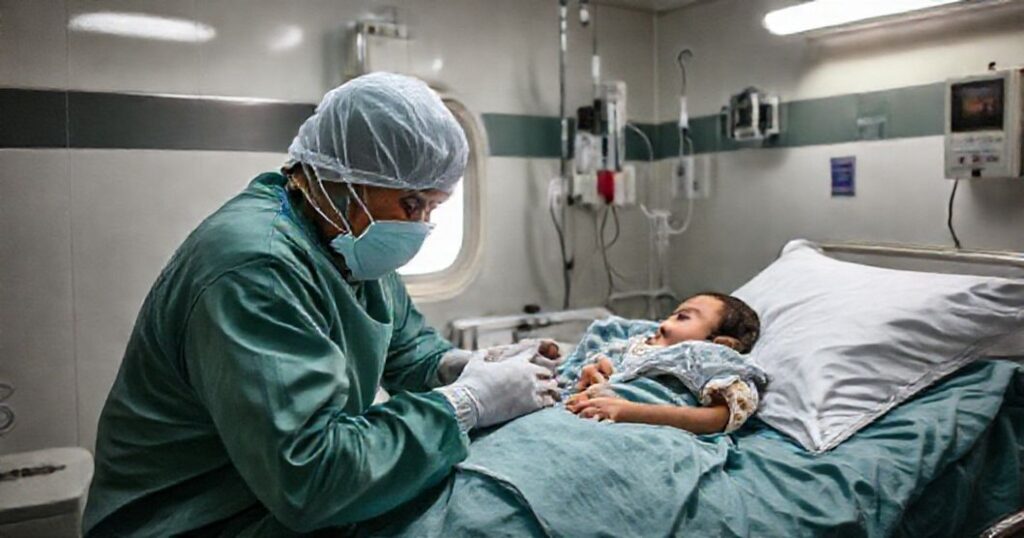
Siwar Ashour’s case first garnered international attention through extensive reporting by the BBC, which followed her journey from the rubble of Gaza to the specialized medical facilities in Jordan. Suffering from severe injuries that the decimated Gazan healthcare system was unable to address, her evacuation was seen as a rare victory in a landscape dominated by loss. In Jordan, Siwar received the advanced surgical intervention and stabilization required to save her life—treatments that are currently unavailable in the majority of Gaza’s remaining medical outposts.
However, the return of a recovering infant to a territory where the healthcare system is on the brink of total collapse raises significant ethical and logistical questions. While her immediate life-threatening conditions were managed abroad, the follow-up care, sterile environment, and nutritional support necessary for a full recovery are increasingly difficult to secure within the Gaza Strip.
The Fragility of Gaza’s Healthcare Infrastructure
The return of patients like Siwar Ashour highlights the critical state of Gaza’s hospitals. According to international health monitors, the vast majority of hospitals in the region are either completely non-functional or operating at a fraction of their capacity due to fuel shortages, structural damage, and a lack of essential medical supplies.
International Aid and the Role of Medical Corridors
The evacuation of Siwar was made possible through specialized medical corridors, often brokered by international organizations and neighboring states. These corridors are essential for:
- Specialized Pediatric Care: Treating complex trauma and congenital issues that require neonatal intensive care units.
- Long-term Rehabilitation: Providing physical therapy and prosthetic fitting for victims of explosive trauma.
- Resource Management: Alleviating the pressure on overwhelmed local medical staff who are forced to practice “triage medicine.”
Despite these efforts, the number of patients requiring evacuation far exceeds the available slots, leaving thousands of civilians in a precarious state of medical limbo.
Socio-Economic Consequences of Healthcare Collapse
From a global market and professional perspective, the destruction of a healthcare system has long-term economic ramifications that extend far beyond the immediate humanitarian crisis. The loss of human capital and the long-term disability of a significant portion of the pediatric population create a future burden on the social and economic fabric of the region.
For professionals in the international development and healthcare sectors, the Gaza crisis represents a catastrophic reversal of decades of progress in public health. The displacement of medical professionals and the destruction of teaching hospitals mean that the region is not only losing its current capacity but also its ability to train the next generation of doctors, nurses, and technicians. This “brain drain” and infrastructure deficit will take decades to remediate, impacting the regional labor market and economic stability.
Conclusion: The Need for Sustainable Humanitarian Solutions
The return of Siwar Ashour to Gaza is a story of survival, yet it remains a cautionary tale about the limitations of temporary medical evacuations. Without a sustainable ceasefire and a comprehensive plan to rebuild the healthcare sector, individual successes will remain exceptions to a tragic rule. The international community, including global health organizations and economic stakeholders, must prioritize the restoration of medical sovereignty in Gaza to ensure that children like Siwar do not just survive their injuries, but have a future where their health and well-being are guaranteed.
As we monitor the situation, the focus must remain on creating stable, long-term medical corridors and ensuring that the professional medical community within Gaza is given the resources and security necessary to resume their vital work. Only through a coordinated, professional, and humanitarian-first approach can the cycle of medical crisis be broken.
Source: News Desk Report