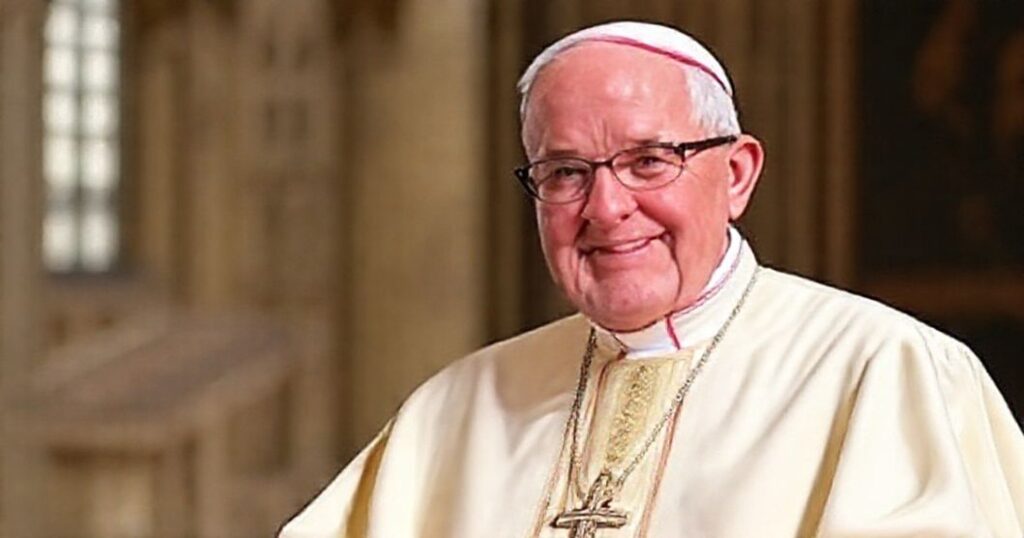
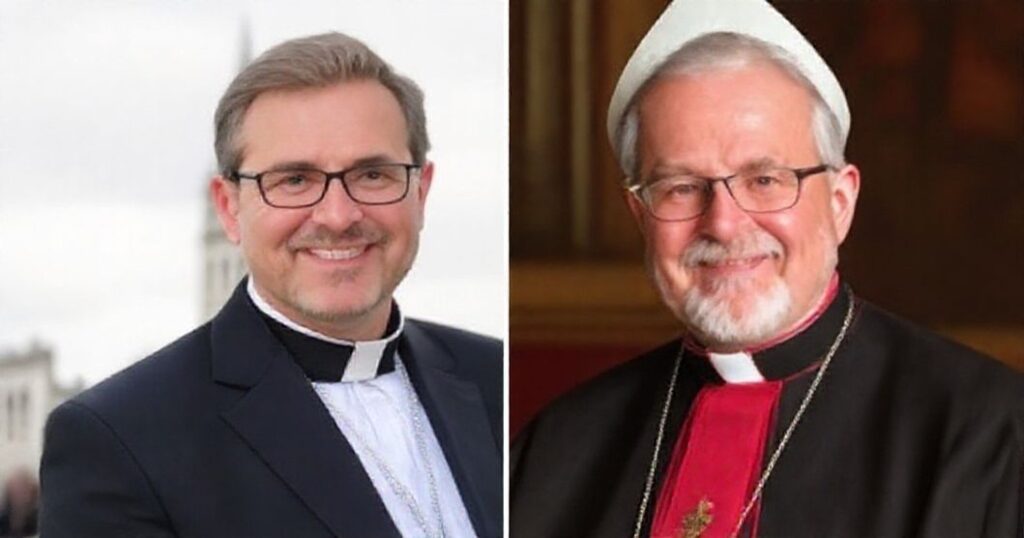
Transition at the Helm: Richard Moth to Lead Westminster Diocese
In a significant move for the Catholic Church in England and Wales, Pope Francis has officially appointed Richard Moth as the new Bishop of Westminster. This transition marks the end of a notable era as he succeeds Cardinal Vincent Nichols, who is entering retirement after years of dedicated service. The appointment is not merely a religious formality; it represents a strategic leadership shift within one of the most influential dioceses in the global Catholic hierarchy.
Richard Moth, who previously served as the Bishop of Arundel and Brighton, brings a wealth of administrative and pastoral experience to the role. Known for his measured approach to governance and his commitment to community outreach, his elevation to Westminster is seen as a move toward stabilizing the Church’s influence in a rapidly changing social environment in the United Kingdom.
The Core Story: A Strategic Succession
The retirement of Cardinal Vincent Nichols has been anticipated for some time, following the standard canonical age requirements and his long tenure. During his time as Bishop of Westminster, Nichols was a prominent figure in national discourse, often navigating complex relationships between the Church and the British state. Richard Moth now inherits a diocese that serves as the administrative heart of the Catholic community in England.
The process of selection involved rigorous consultation within the Holy See, reflecting the importance of Westminster as a primatial see. Moth’s background in canon law and his reputation for fostering dialogue are expected to be the hallmarks of his leadership. His immediate priorities will likely include addressing the logistical challenges of urban ministry and strengthening the financial health of the diocese’s various charitable arms.
Expert Analysis: Navigating Modern Institutional Challenges
Religious scholars and institutional analysts suggest that Moth’s appointment signals a preference for steady, experienced hands. The Catholic Church globally is grappling with declining attendance in Western nations and a pressing need for structural reform. In England, the Bishop of Westminster must act as both a spiritual leader and a high-level executive, managing vast property portfolios, educational institutions, and social welfare programs.
By choosing a leader with a proven track record in Arundel and Brighton, the Vatican is prioritizing institutional continuity. Experts note that Moth has a unique ability to bridge the gap between traditional ecclesiastical duties and the modern demands of running a multi-faceted organization. His leadership will be tested as he navigates the complexities of secularization and the need for more transparent governance.
Industry Impact: Non-Profit and Community Sectors
The implications of this appointment extend far beyond the pulpit. The Diocese of Westminster is one of the largest employers in the voluntary and community sector in London and the surrounding areas. From Catholic schools and social housing initiatives to international aid coordination, the office of the Bishop oversees a massive operational network.
Stakeholders in the non-profit sector expect that Bishop Moth will continue to emphasize the Church’s role in social justice. This includes tackling issues such as homelessness, refugee support, and economic inequality. For partner organizations and government bodies, Moth represents a new point of contact for collaborative projects aimed at public welfare.
Career and Job Implications for Professionals
For job seekers and professionals within the JobHouse Global network, this leadership change highlights several key trends in the institutional and non-profit sectors:
- Demand for Specialized Administrative Roles: Large religious institutions require skilled professionals in finance, human resources, and legal compliance. A change in leadership often leads to a review of operational efficiencies, potentially opening roles for experts in organizational management.
- Leadership in Transition: The move emphasizes the importance of ‘succession planning.’ Professionals can learn from how the Church manages high-level transitions, focusing on institutional memory while allowing for new strategic directions.
- Growth in Social Impact Careers: As the new Bishop prioritizes community outreach, there will likely be sustained or increased demand for social workers, educators, and project managers within the Church’s extensive network of charities.
- Intercultural Competency: Leading a diverse diocese like Westminster requires high-level negotiation and communication skills, traits that are increasingly valued in global corporate and NGO environments.
Conclusion
The appointment of Richard Moth as the Bishop of Westminster is a pivotal moment for the Catholic Church in the UK. As he steps into the shoes of Cardinal Vincent Nichols, the focus will remain on how he balances the weight of tradition with the necessity of modern institutional management. For the broader professional community, it serves as a reminder of the enduring influence of large-scale institutions and the critical role that effective leadership plays in driving social and organizational change.
Source: Vatican News