A Strategic Succession in the See of Westminster
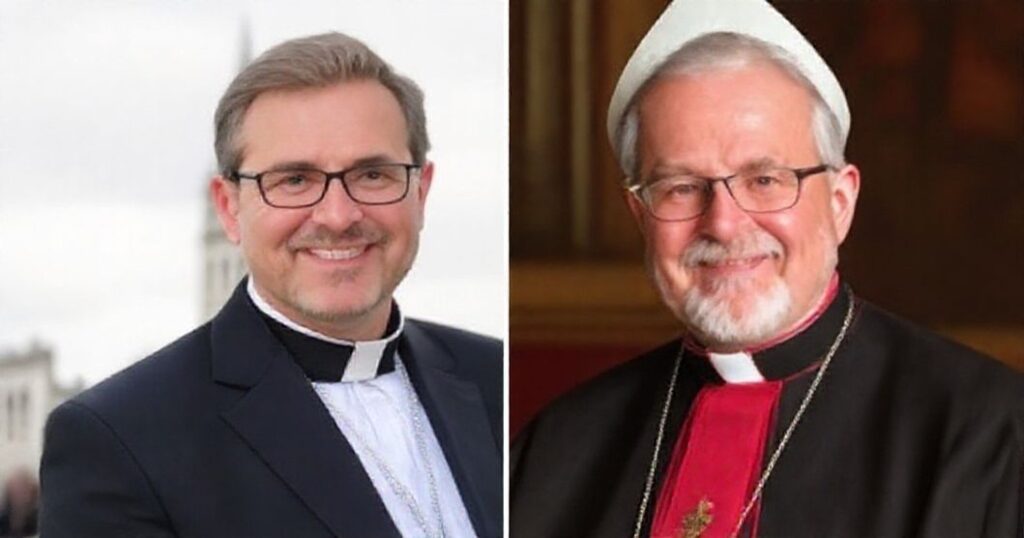
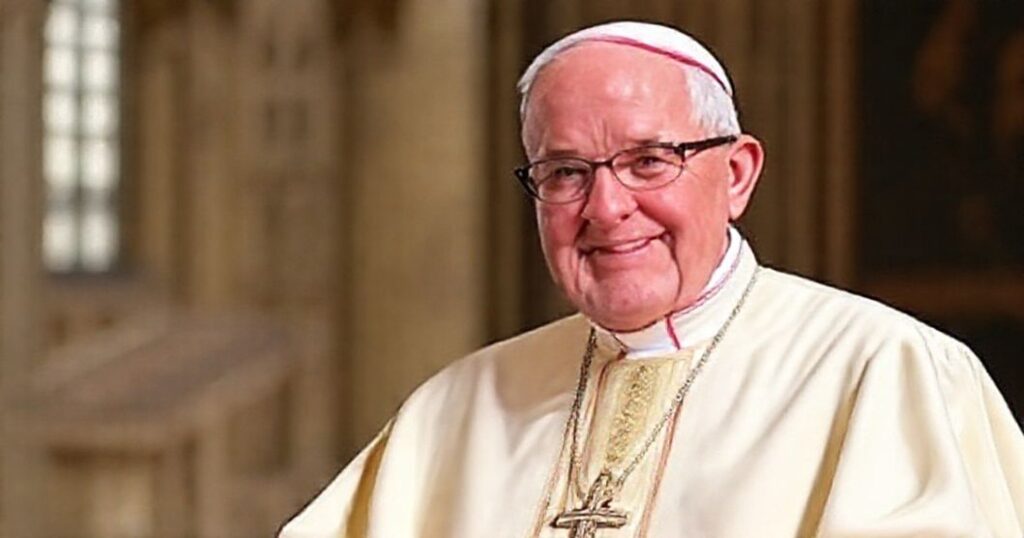
In a move that signals a significant shift in the leadership of the Catholic Church in England and Wales, Pope Francis has officially appointed the Right Reverend Richard Moth as the next Archbishop of Westminster. This appointment comes as Cardinal Vincent Nichols, who has led the archdiocese since 2009, prepares for retirement after reaching the mandatory age limit for bishops. The transition marks a pivotal moment for millions of Catholics and the numerous institutions—from schools to social services—that operate under the Church’s umbrella in the United Kingdom.
The Path to Westminster: Who is Richard Moth?
Richard Moth brings a wealth of experience to this high-profile role. Born in Zambia and raised in the UK, his career has been defined by a deep commitment to pastoral care and institutional governance. Before his tenure in the Diocese of Arundel and Brighton, he served as the Bishop of the Forces, where he provided spiritual leadership to military personnel. This background has equipped him with a unique perspective on leadership under pressure and the ability to bridge the gap between institutional hierarchy and the lived experience of the laity.
Cardinal Vincent Nichols leaves behind a legacy of diplomatic engagement and a strong voice in public discourse. Nichols was instrumental in navigating the Church through periods of intense scrutiny and significant global events, including the COVID-19 pandemic and various legislative debates. Moth’s challenge will be to build upon this foundation while addressing the internal needs of a modernizing church in an increasingly secular society.
Navigating a Secular Landscape: Expert Analysis
Religious analysts suggest that Moth’s appointment reflects Pope Francis’s preference for pastoral leaders—those who prioritize community engagement and social justice over rigid dogma. The Catholic Church in England and Wales faces the dual challenge of declining church attendance and an increasingly secularized public square. However, the Church remains a vital pillar of the UK’s social fabric, particularly through its extensive network of primary and secondary schools and its charitable arm, Caritas.
Moth is expected to focus on synodality, a concept championed by the current Pope that emphasizes listening and dialogue within the church hierarchy and the community. This approach is likely to influence how the Church engages with contemporary issues such as climate change, migration, and economic inequality, positioning the institution as a proactive participant in civil society rather than a detached observer.
Impact on the Third Sector and Education
The appointment of a new Archbishop has far-reaching implications beyond the pulpit. The Catholic Church is one of the largest non-state providers of education and social services in the United Kingdom. Changes at the top often lead to shifts in strategic priorities for these organizations. For stakeholders in the third sector, Moth’s leadership style will dictate the tone of partnerships between the Church and other non-governmental organizations (NGOs).
Furthermore, the Church’s influence on ethical standards in the workplace and its advocacy for the marginalized continue to shape national policy discussions. Under Moth, we may see a renewed emphasis on the common good, influencing how Catholic-affiliated organizations approach corporate social responsibility and community development initiatives.
Career Implications: Leadership and Ethical Governance
For professionals within the JobHouse Global network, this leadership transition offers several key takeaways. First, it highlights the importance of structured succession planning in large, complex organizations. The transition from Nichols to Moth is the result of years of deliberation and vetting, illustrating how institutional stability is maintained through professional leadership changes.
Secondly, for those seeking careers in the non-profit, educational, or administrative sectors of the Church, this change signals a demand for leaders who possess soft skills—empathy, communication, and cultural intelligence. As the Church seeks to remain relevant in a diverse society, it will increasingly value professionals who can manage cross-sector partnerships and navigate multi-faith environments. This is a reminder that even in ancient institutions, the modern workforce requires a blend of traditional values and contemporary management expertise.
Conclusion
The appointment of Richard Moth as the Archbishop of Westminster is a landmark event for the United Kingdom. As he takes the helm, the focus will be on how he balances the weight of tradition with the exigencies of the 21st century. For job seekers and professionals, the transition underscores the enduring relevance of ethical leadership and the critical role that institutional leaders play in shaping the social and economic landscape of a nation.
Source: Vatican Press Office