
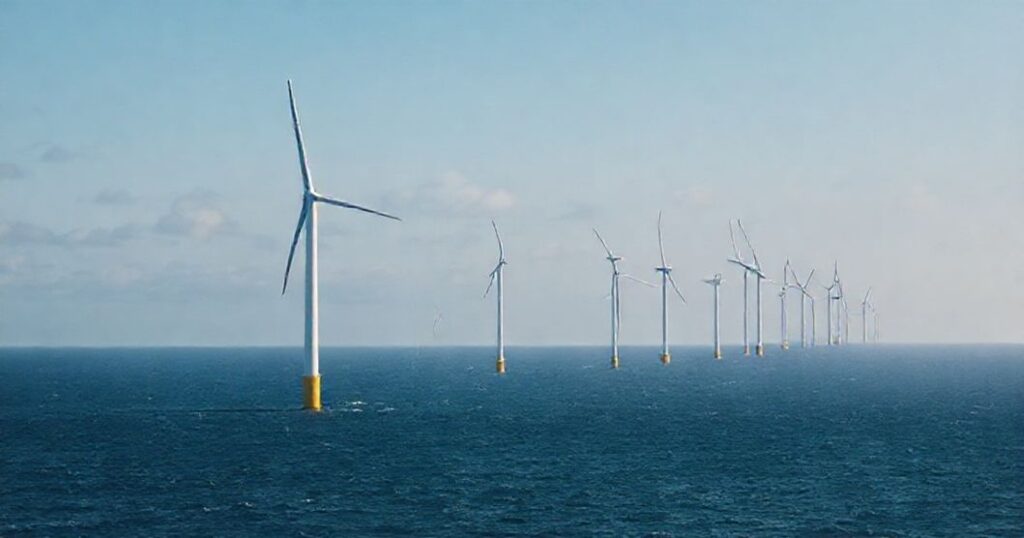
The landscape of the American energy sector underwent a seismic shift today as the Trump administration announced an immediate moratorium on several major offshore wind developments. Interior Secretary Doug Burgum confirmed the suspension, citing critical national security concerns identified by the Pentagon. The decision has sent immediate ripples through the financial markets, with Dominion Energy (D) seeing its stock price drop by 5% in early trading sessions. The move marks a significant pivot in federal energy priorities, placing a spotlight on the intersection of renewable infrastructure and national defense capabilities.
National Security and the Pentagon Assessment
According to Interior Secretary Doug Burgum, the decision to halt these projects, including the massive Coastal Virginia Offshore Wind (CVOW) initiative, follows a comprehensive review by the Department of Defense. The Pentagon has reportedly raised alarms regarding the potential for large-scale wind arrays to interfere with sensitive radar systems and maritime surveillance operations along the Atlantic coast. Federal officials stated that the sheer scale and density of the planned turbines could create significant gaps in the military’s ability to monitor airspace and coastal waters, which are vital for national sovereignty and rapid response capabilities.
While the administration has not released the specific classified details of the security risks, the message is clear: the rapid expansion of offshore wind will no longer take precedence over military readiness. This stance represents a stark departure from previous regulatory environments that sought to fast-track renewable permits to meet aggressive carbon-reduction goals. Secretary Burgum emphasized that while energy independence remains a goal, it cannot come at the expense of the nation’s primary defense infrastructure.
Financial Fallout: Dominion Energy and Market Volatility
The immediate victim of this policy shift is Dominion Energy, whose flagship Coastal Virginia Offshore Wind project was considered a crown jewel of the transition to green energy. The 5% drop in Dominion’s stock reflects deep-seated investor anxiety regarding the long-term viability of multi-billion dollar capital expenditures that are now effectively frozen. Analysts at leading financial institutions have noted that such a moratorium introduces a level of regulatory risk that could deter future investment in the sector for years to come.
The Impact on the Coastal Virginia Offshore Wind Project
The Coastal Virginia Offshore Wind project was slated to be one of the largest of its kind in the world, located approximately 27 miles off the coast of Virginia Beach. With a planned capacity to power over 600,000 homes, the project was central to Virginia’s Clean Economy Act. The suspension not only halts the physical construction and deployment of turbines but also puts thousands of projected jobs in limbo. These include high-skilled positions in maritime engineering, specialized construction, and long-term maintenance roles that were expected to revitalize local port economies.
Broader Implications for the U.S. Energy Transition
This executive action signals a broader re-evaluation of the United States’ commitment to offshore wind as a primary pillar of the energy grid. Proponents of the moratorium argue that it is a necessary pause to ensure that infrastructure does not outpace security protocols. Conversely, environmental advocates and renewable energy industry leaders warn that this could cede the technological lead in offshore wind to international competitors, particularly in Europe and Asia, where such projects are moving forward with significant state backing.
The suspension also raises questions about the future of state-level mandates. Many East Coast states have integrated offshore wind into their mandatory renewable portfolio standards. Without federal approval and the security clearance of the Pentagon, these states may find it impossible to meet their legal obligations for carbon reduction, potentially leading to a resurgence in natural gas and nuclear power investments to fill the forecasted energy gap.
Conclusion: A New Era of Energy Regulation
The Trump administration’s decision to prioritize national security over offshore wind expansion marks a defining moment for the American utility sector. As Dominion Energy and other stakeholders navigate this new regulatory reality, the focus will likely shift toward onshore energy solutions and the hardening of existing infrastructure. For now, the future of the Atlantic’s wind corridors remains uncertain, as the balance between green energy innovation and national defense continues to be weighed by federal authorities. Investors and industry leaders will be watching closely for any further guidance from the Department of the Interior regarding the duration of this pause and the specific criteria required for projects to resume.
Source: News Desk Report