
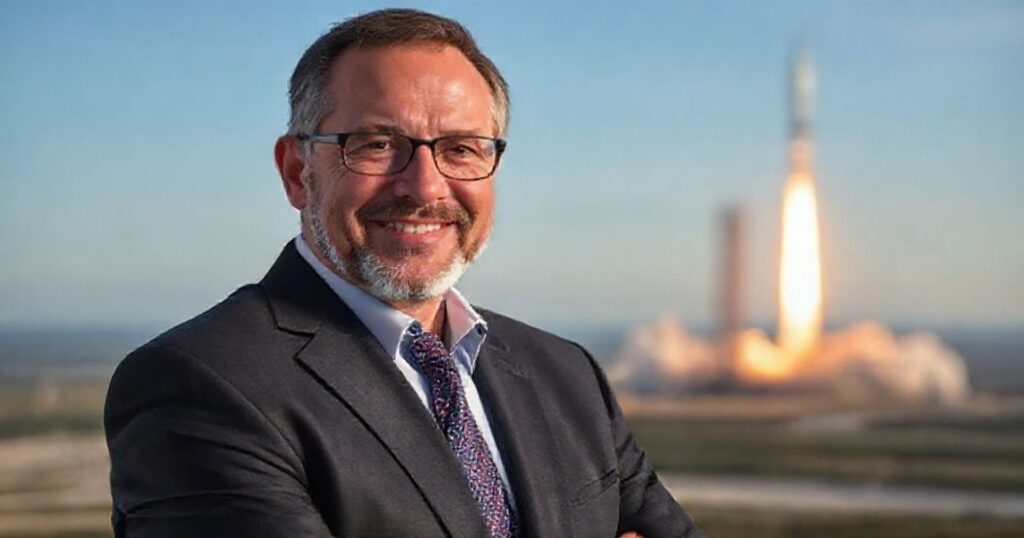
In a move that signals a major shift in the global aerospace leadership landscape, Tory Bruno has announced his resignation as the Chief Executive Officer of United Launch Alliance (ULA). Bruno, who has led the organization for over twelve years, presided over a pivotal chapter in the company’s history, navigating the transition from a legacy monopoly on government launches to a fiercely competitive commercial market. His departure comes at a critical juncture for the joint venture, owned by aerospace titans Boeing and Lockheed Martin, as it seeks to solidify its position against aggressive innovation from private sector rivals. The announcement marks the end of an era for a company that has long been the primary provider of launch services for the United States military and intelligence agencies.
The Legacy of Tory Bruno: Twelve Years of Strategic Evolution
Since taking the reins in 2014, Tory Bruno has been the public face of ULA, known for his technical expertise and active engagement with the space community. Under his leadership, ULA undertook the monumental task of developing the Vulcan Centaur rocket, designed to replace the aging Atlas V and Delta IV fleets. This transition was not merely a technical upgrade but a strategic necessity aimed at ending reliance on Russian-made RD-180 engines and reducing launch costs to remain viable in a price-sensitive industry. Bruno’s tenure was marked by a commitment to mission success, maintaining a perfect record for primary payload delivery, which remained ULA’s strongest selling point for national security missions. He successfully guided the company through the complexities of the COVID-19 pandemic and global supply chain disruptions while maintaining a focus on the long-term goal of heavy-lift capability.
The SpaceX Factor and the Pressure of Reusability
The primary backdrop of Bruno’s later years at ULA was the meteoric rise of SpaceX. As Elon Musk’s firm perfected booster reusability and significantly undercut the pricing of traditional expendable rockets, ULA found itself under immense pressure to adapt. While ULA focused on reliability and precision for high-value Department of Defense and NASA contracts, the commercial market shifted toward the cost-efficiency pioneered by SpaceX. The resignation of Bruno is seen by many analysts as a potential precursor to a broader strategic pivot or even a change in ownership for ULA, as Boeing and Lockheed Martin weigh the long-term profitability of the joint venture in a market increasingly dominated by reusable launch vehicles. The competitive landscape has forced ULA to rethink its business model, moving away from the high-cost, low-frequency model of the past toward a more agile and cost-effective operational structure.
Strategic Implications for Boeing and Lockheed Martin
The Future of the Vulcan Centaur Program
The success of the Vulcan Centaur remains the most critical component of ULA’s future. Despite several delays, the rocket successfully completed its inaugural flight earlier this year, a milestone that Bruno championed. However, the challenge now lies in scaling production and increasing launch cadence to meet the demands of major customers like Amazon for its Project Kuiper satellite constellation. This contract represents one of the largest commercial launch buys in history, and ULA must prove it can deliver at scale. The incoming leadership will need to focus on operational excellence and manufacturing efficiency to ensure that Vulcan can compete on both frequency and price while maintaining the high standards required by the U.S. Space Force. Meeting these production targets will be the primary metric by which the next CEO is judged.
Speculation Regarding a Potential Sale
For several months, rumors have circulated within the financial sector regarding the potential sale of United Launch Alliance. With both Boeing and Lockheed Martin refocusing their internal priorities—Boeing dealing with commercial aircraft challenges and Lockheed focusing on advanced defense systems—the departure of a long-term CEO often facilitates a cleaner transition for a merger or acquisition. Potential buyers, including Jeff Bezos’s Blue Origin or various private equity firms, have been linked to ULA in various reports. Bruno’s exit may accelerate these discussions as the parent companies look to exit the capital-intensive launch business to focus on their core competencies. A sale could lead to a significant restructuring of the American launch market, potentially creating a new powerhouse to challenge SpaceX’s current dominance.
Conclusion: A New Chapter for American Aerospace
Tory Bruno’s resignation marks the conclusion of a decade-long effort to modernize one of America’s most important launch providers. As the aerospace industry enters a new phase characterized by rapid technological advancement and increased private investment, ULA stands at a crossroads. The search for a successor will likely focus on an executive capable of balancing the rigorous requirements of national security launches with the agility required to thrive in a competitive commercial environment. For JobHouse Global and industry observers alike, the next steps taken by ULA’s board will define the trajectory of the American space industry for the next decade. The transition period will be watched closely by investors, government partners, and competitors as the global space race enters its most dynamic era yet. The legacy of reliability established by Bruno will be the foundation upon which the next chapter of ULA is built, but the future will require a bold new vision to navigate the stars.
Source: News Desk Report